-
鋼タンク に 溶かさ れ た ガラス (596)
-
ステンレス鋼 タンク (434)
-
融合はエポキシ タンクを結んだ (592)
-
鋼鉄タンク (321)
-
アルミニウム ドームの屋根 (1316)
-
廃棄物 貯蔵 タンク (231)
-
溶接された鋼タンク (457)
-
圧力容器 (295)
-
嫌気性のダイジェスター (201)
-
産業水漕 (349)
-
ガラスで覆われた鉄タンク (180)
-
ボルトで固定された鋼鉄タンク (390)
-
沈積物の貯蔵タンク (115)
-
バイオガスの貯蔵タンク (173)
-
流出物 貯蔵タンク (133)
-
農業用水貯蔵タンク (179)
-
消防水タンク (166)
-
穀物 貯蔵 所 (146)
-
バイオガス プロジェクト (425)
-
排水処理のプロジェクト (788)
-
双面膜 の 屋根 (223)

|
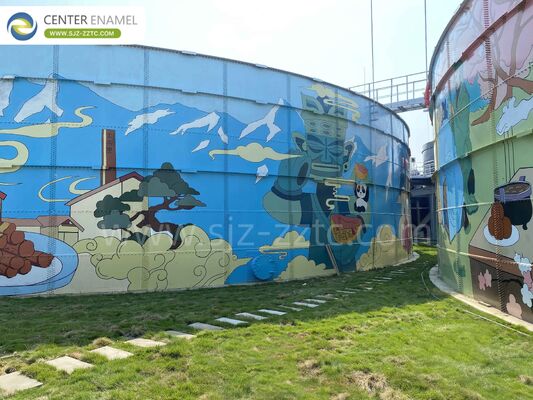
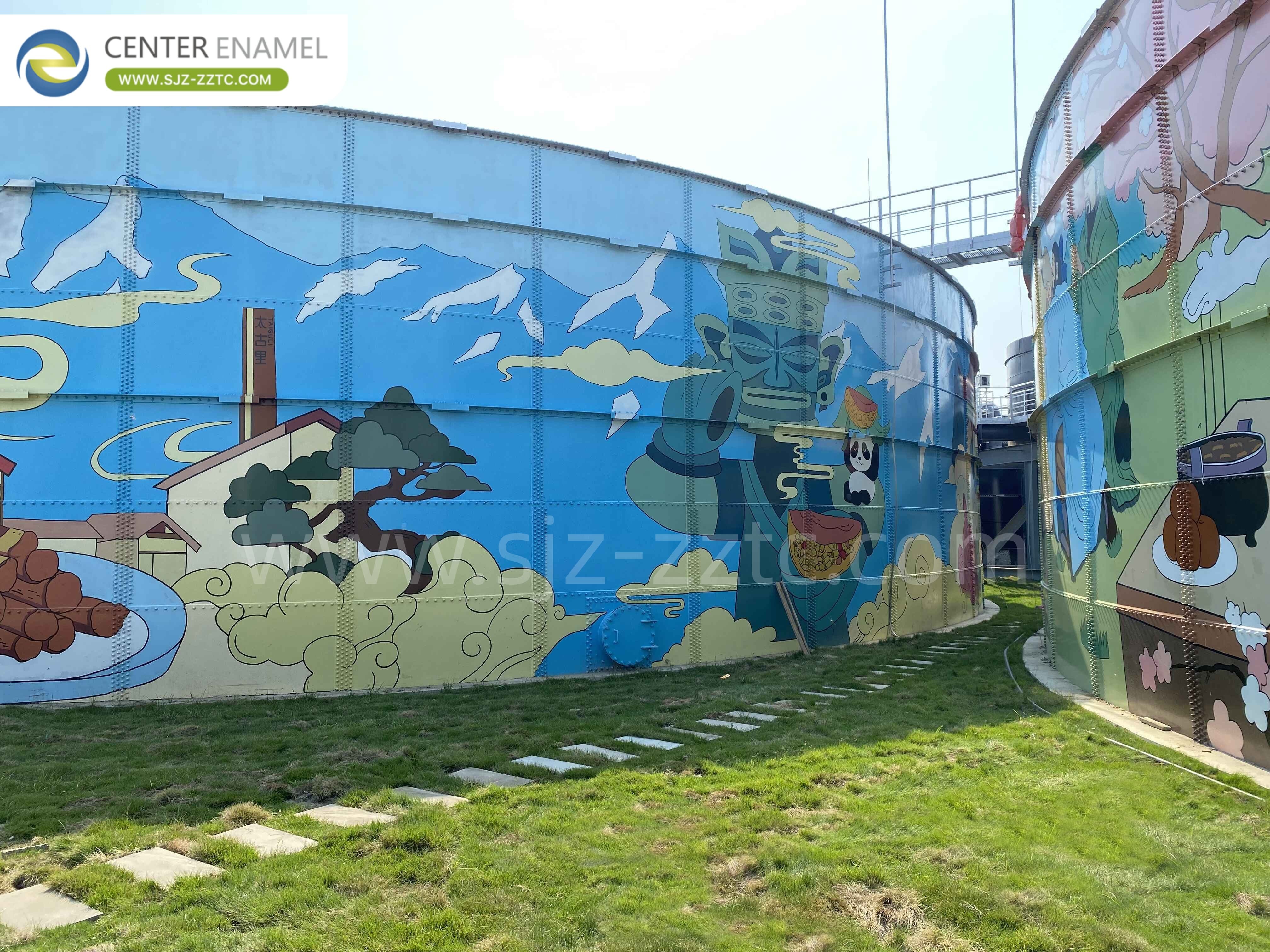
韓国の飲料廃棄物処理プロジェクトのための先進的なEPCソリューション
| 起源の場所: | 中国 |
| ブランド名: | CEC TANKS |
| 証明: | ISO 9001:2008, AWWA D103 , OSHA , BSCI |
| モデル番号: | W |
| 最小注文数量: | 1セット |
| 価格: | $5000~$20000 one set |
| パッケージの詳細: | 各 2 枚の鋼板の間に PE ポリフォーム;木製パレットと木製 |
| 受渡し時間: | 入金受領後10-30日 |
| 支払条件: | LC、T/T |
| 供給の能力: | 月60セット |
|
詳細情報 |
|||
| 起源の場所 | 中国 | ブランド名 | CEC TANKS |
|---|---|---|---|
| 証明 | ISO 9001:2008, AWWA D103 , OSHA , BSCI | モデル番号 | W |
| タンク本体色: | ダークグリーン /カスタマイズできます | 腐食の完全性: | 素晴らしい |
| 鋼板の厚さ: | 3mm〜12mmは、タンク構造によって異なります | 耐薬品性: | 素晴らしい |
| パネルのサイズ: | 2.4m * 1.2m | お手入れ簡単: | 滑らかで光沢のある、不活性、吸血 |
| ハイライト: | 廃水処理向けEPCソリューション,飲料廃水処理プロジェクト,韓国の廃水処理ソリューション |
||
製品説明
韓国飲料廃水処理プロジェクト向け先進EPCソリューション
韓国の飲料業界は、伝統的なお茶や健康飲料から、グローバルなソフトドリンクブランド、高級ビール醸造所まで、急速な革新と多様な製品群を特徴とするダイナミックなセクターです。同国がESG(環境・社会・ガバナンス)経営と「ネットゼロ」カーボン目標への注力を強化するにつれて、飲料メーカーは環境フットプリントを最適化するために前例のないプレッシャーに直面しています。複雑な規制環境を乗り越え、効率的な資源回収を達成するために、専門のEPCコントラクターと提携して先進的な飲料廃水処理プロジェクトを進めることが、韓国企業にとって戦略的な優先事項となっています。
韓国の環境政策と課題
韓国では、産業廃水は「水環境保全法」によって厳しく規制されています。環境部は、公共水域や下水処理場への放流に対して厳格な基準を設けています。
韓国の飲料セクターは、特定の規制および運用上のハードルに直面しています。
排出基準の厳格化:漢江やその他の重要な水源を保護するため、化学的酸素要求量(COD)、生物学的酸素要求量(BOD)、および総窒素(T-N)に関する規制がますます厳しくなっています。
排出料金制度:韓国では、施設が汚染物質の排出基準を超過した場合に罰金が科せられる排出料金制度を採用しており、高効率処理が経済的な必要性となっています。
循環経済推進:政府の「K-循環経済行動計画」は、産業界が単なる処理から、有機廃棄物をバイオガスに変換するなどの資源回収への移行を奨励しています。
飲料工場における廃水発生源
飲料業界の廃水は、複数の水集約的な段階の副産物です。その発生源を理解することが、効果的な処理ソリューションを設計するための第一歩です。
原料準備:生鮮食品(果物、穀物、植物)の洗浄と加工により、有機固体と天然糖が放出されます。
製品配合:フレーバーの切り替え中の混合、ブレンド、および偶発的なこぼれにより、高濃度のシロップと甘味料が混入します。
洗浄と衛生(CIP):施設は頻繁なCIPサイクルを経る必要があります。酸性およびアルカリ性洗剤の使用により、pHレベルが大きく変動する廃水が発生します。
包装とすすぎ:ボトル洗浄と設備衛生により、残留製品と洗浄剤を含む廃水が安定的に発生します。
統合飲料廃水処理プロセス
センターエナメルは、主要なグローバルEPCコントラクターとして、洗練された多段階プロセスを通じて韓国市場に合わせたターンキーソリューションを提供します。
前処理:機械的スクリーニングとグリット除去により、デリケートな下流機器を保護するために大きなゴミを除去します。
一次分離:浮上分離(DAF)ユニットは、脂肪、油、および懸濁固形物を効果的に除去します。これは、ジュースおよび乳製品ベースの生産に不可欠です。
コンディショニング:調整タンクは、流量とpHレベルを安定させ、生物学的段階に安定した流入を提供します。
嫌気性処理:高濃度の有機物を酸素のない環境でメタン豊富なバイオガスに変換する主要段階です。
好気性仕上げ:嫌気性後処理により、最終的な廃水が韓国の環境基準を満たすかそれを超えることを保証するために、残りの汚染物質をさらに削減します。
高度な嫌気性技術:CSTR、UASB、USR、およびIC
の効率は、適切な反応器の選択にかかっています。センターエナメルは、4つの世界クラスの嫌気性技術を専門としています。CSTR(連続撹拌槽型反応器):機械的撹拌を利用して安定した消化と高いバイオガス収量を確保し、果物パルプのような高固形分廃棄物に最適です。
UASB(上向流嫌気性スラッジブランケット):コンパクトな設置面積で優れたCOD除去を達成するために、高密度の粒状スラッジブランケットを使用する液相廃棄物向けの高速ソリューションです。
USR(上向流固体反応器):懸濁固形物(SS)が多い廃水用に特別に設計されており、有機粒子が完全に分解されることを保証します。
IC(内部循環)反応器:大規模な産業用飲料およびビール醸造所のハブに理想的で、非常に高い有機負荷率を優れた安定性で処理する「次世代」反応器です。
廃水貯蔵におけるGFSタンクの卓越性センターエナメルにとっての重要な差別化要因は、主要な封じ込め容器として独自の
GFSタンク
(ガラス溶融鋼製)を使用していることです。スケーラビリティ:ガラスと鋼の溶融により、飲料業界で一般的な有機酸や過酷なCIP化学薬品に耐える不活性表面が作成されます。
迅速なモジュール式設置:ボルト締め構造は、従来のコンクリートよりも大幅に高速であり、忙しい韓国の工場での運用ダウンタイムを最小限に抑えます。
長寿命と低メンテナンス:30年以上の耐用年数で設計された
GFSタンクは、季節的な気候変動下でも最小限のメンテナンスで済みます。スケーラビリティ:モジュール設計により、生産能力の増加に合わせて簡単に拡張または移設できます。
センターエナメルをEPCコントラクターとして選ぶ理由センターエナメルは、初期エンジニアリングから最終的な試運転まで、「ワンストップ」エクスペリエンスを提供します。
グローバル技術専門知識
:100カ国以上でのプロジェクト実績により、国際的なベストプラクティスを韓国のローカル市場に提供します。
カスタマイズされたエンジニアリング:当社のシステムは、特定の廃水プロファイルと現地のK-ESG基準を満たすように精密に設計されています。
フルシステム統合:GFSタンク、二重膜ガスホルダー、および高度な自動制御を含むシームレスなパッケージを提供します。
実績:グローバルケーススタディケース1:マリ飲料廃水処理プロジェクト
タンク寸法:Φ6.11 × 4.8 m(H)— 1基
総容量:141 m³ — 1基
設置日:2024年
ケース2:ペルー飲料廃水処理プロジェクト
タンク寸法:
Φ5.35 × 4.8 m(H)— 1基
Φ6.11 × 6.6 m(H)— 2基
Φ8.41 × 9.0 m(H)— 1基
Φ7.64 × 5.4 m(H)— 1基
総容量:1,241 m³
設置日:2025年
韓国の飲料メーカーにとって、センターエナメルは、規制遵守と資源回収に向けた明確な道筋を提供し、廃水を持続可能な資産に変革します。