-
鋼タンク に 溶かさ れ た ガラス (596)
-
ステンレス鋼 タンク (434)
-
融合はエポキシ タンクを結んだ (592)
-
鋼鉄タンク (321)
-
アルミニウム ドームの屋根 (1316)
-
廃棄物 貯蔵 タンク (231)
-
溶接された鋼タンク (457)
-
圧力容器 (295)
-
嫌気性のダイジェスター (201)
-
産業水漕 (349)
-
ガラスで覆われた鉄タンク (180)
-
ボルトで固定された鋼鉄タンク (390)
-
沈積物の貯蔵タンク (115)
-
バイオガスの貯蔵タンク (173)
-
流出物 貯蔵タンク (133)
-
農業用水貯蔵タンク (179)
-
消防水タンク (166)
-
穀物 貯蔵 所 (146)
-
バイオガス プロジェクト (425)
-
排水処理のプロジェクト (788)
-
双面膜 の 屋根 (223)


|
FBEボイラー補給水タンクのエンジニアリングガイド:熱効率と寿命の最適化 (2026)
| 起源の場所: | 中国 |
| ブランド名: | CEC TANKS |
| 証明: | ISO 9001:2008, AWWA D103 , OSHA , BSCI |
| モデル番号: | w201691123005 |
| 最小注文数量: | 1セット |
| 価格: | $5000~$20000 one set |
| パッケージの詳細: | 2つのスチールプレートの間のPEポリフォーム。木製のパレットと木製の箱 |
| 受渡し時間: | 預金を受け取ってから0〜60日後 |
| 支払条件: | LC、T/T |
| 供給の能力: | 月60セット |
|
詳細情報 |
|||
| 起源の場所 | 中国 | ブランド名 | CEC TANKS |
|---|---|---|---|
| 証明 | ISO 9001:2008, AWWA D103 , OSHA , BSCI | モデル番号 | w201691123005 |
| 鋼板の厚さ: | 3mm~12mm、タンク構造による | 腐食の完全性: | 素晴らしい |
| 耐薬品性: | 素晴らしい | 容量: | 20 m3〜18,000 m3 |
| 寿命: | 30年以上 | 透過性: | ガス /液体不浸透性 |
| ハイライト: | FBEボイラー給水タンク、FBE熱効率タンク、融着エポキシ水タンク,FBE thermal efficiency tanks,Fusion bonded epoxy water tanks |
||
製品説明
-
FBEボイラー補給水タンクのエンジニアリングガイド:熱効率と寿命の最適化 (2026)
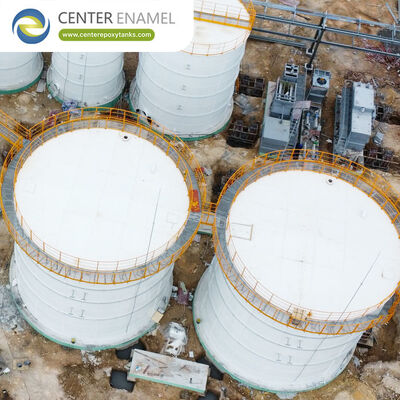
2026年の高圧環境では,産業用発電と製造のボイラー給水 (BFW)ボイラー用水は,ボイラー管内でのスケール蓄積や酸素による腐食を防ぐために,極度の純度レベルを維持する必要があります.溶融結合エポキシ (FBE) のボルト付き鋼タンクBFWの貯蔵のための好ましいインフラストラクチャになり,下流資産を保護する,溶解しない,熱的に安定した環境を提供します.
1FBEボイラー給水タンクとは?
FBEボイラー給水タンク (FBE boiler feedwater tank) は,処理された水 (通常は消鉱または軟化) をボイラーにポンプする前に保持するように設計されたモジュール式貯蔵容器である.鋼パネルは高性能熱固性エポキシ樹脂で工場塗装されています.
液体塗装とは異なり融合結合エポキシこのプロセスは,前熱した鋼板に乾燥粉末を電磁的に塗り込むこと ($180°C~$230°C).恒久的に鋼に溶かされる処理された給水の"イオンに飢えた"性質に免疫のある高密度でガラスのようなスムーズな仕上げになります
2技術性能:蒸気ループの保護
ボイラー給水貯蔵は,特に水の純度や気温変動に関して,ユニークな課題を提示しています.FBE技術は,いくつかの主要な指標を通じてこれらの課題に対処します:
離子中立性と溶解耐性
消鉱化給水は非常に攻撃的で,容器からイオンを引き出すことを試みます.FBEコーティングは化学的に惰性であり,鉄や他の金属イオンを水に戻さない.ボイラースケールを防ぐために必要な低導電性のレベルを維持するために,これは重要です.
熱耐性
BFWタンクにはしばしば冷凝液が返され,貯蔵温度が上昇する.FBEコーティングは,デラミネーションや亀裂なしに恒常的な熱循環に対応するように設計されています.設計寿命を維持する30歳以上高温産業環境では
連続性のゼロの品質保証
BFW の タンク コーティング の 中 に ある 微小 な 針穴 も,金属 酸化物 を ボイラー に 導入 する 局所 的 な 腐食 を 引き起こす こと が あり ます.ホリデーテスト (1100V)工場で100%の欠陥のない壁を確保するために
3比較:FBE対ステンレス鋼対コンクリート
特徴 FBEボルト鋼 ステンレス鋼 (316L) 鉄筋コンクリート 離子純度 すごい(不活性) 高い 貧乏 (鉱物溶解) 耐腐食性 上級者(エポキシバリア) 特別 低 (蒸気侵食に易い) 設置速度 早く(週) 適度 ゆっくり (数ヶ月) 熱膨張 すごい 高さ (拡張関節が必要) 適度 初期投資 適度 非常に高い 中程度の程度から高い程度 4エンジニアリング基準とグローバルコンプライアンス (2026)
FBEボイラー給水タンクなど 業界リーダーからセンターエナメル (石家庄ゼンジョン技術)次の基準基準を遵守する.
- AWWA D103-19:工場で塗装されたボルト付きの炭素鋼タンクの 世界標準です
- ISO 28765:2016:工業処理と貯蔵のための高性能コーティングを規制する
- ASCE 7-22:耐震性及び極端な風力負荷に対する構造設計要件 (最大$250m/h)
- NSF/ANSI 61:汚染物質を放出することなく 高純度な水と接触する安全性を確保します
-
5蒸気サイクルにおける戦略的応用
FBE技術は,いくつかの重要なエネルギー回収ワークフローの骨組みです.
- 消鉱水貯蔵:イオン交換や逆オスモス後の化粧水の主な貯蔵庫として機能する.
- コンデンサートリターンタンク:蒸気回路から戻した温かい浄水を再利用するために保持します
- 消気器の補給タンク:溶けた酸素を取り除くため,蒸発熱器に水を常に供給する.
-
駆動装置の信頼性
工場の管理者が最大限に活用したい場合投資収益率 (ROI)ボイラー停止時間を最小限に抑え,FBEボイラー給水タンクコンクリートと関連した鉱物溶解のリスクと 不oxidable鋼の高額なコストを排除することで,FBE技術は,あなたの蒸気回路をきれいに保ちます,何十年もの間 保護されています
高圧ボイラーシステムの貯蔵を評価していますか? 特定の水化学と温度要件に基づいて FBEとステンレス鋼の技術的な比較を希望しますか?