-
鋼タンク に 溶かさ れ た ガラス (596)
-
ステンレス鋼 タンク (434)
-
融合はエポキシ タンクを結んだ (592)
-
鋼鉄タンク (321)
-
アルミニウム ドームの屋根 (1316)
-
廃棄物 貯蔵 タンク (231)
-
溶接された鋼タンク (457)
-
圧力容器 (295)
-
嫌気性のダイジェスター (201)
-
産業水漕 (349)
-
ガラスで覆われた鉄タンク (180)
-
ボルトで固定された鋼鉄タンク (390)
-
沈積物の貯蔵タンク (115)
-
バイオガスの貯蔵タンク (173)
-
流出物 貯蔵タンク (133)
-
農業用水貯蔵タンク (179)
-
消防水タンク (166)
-
穀物 貯蔵 所 (146)
-
バイオガス プロジェクト (425)
-
排水処理のプロジェクト (788)
-
双面膜 の 屋根 (223)

|
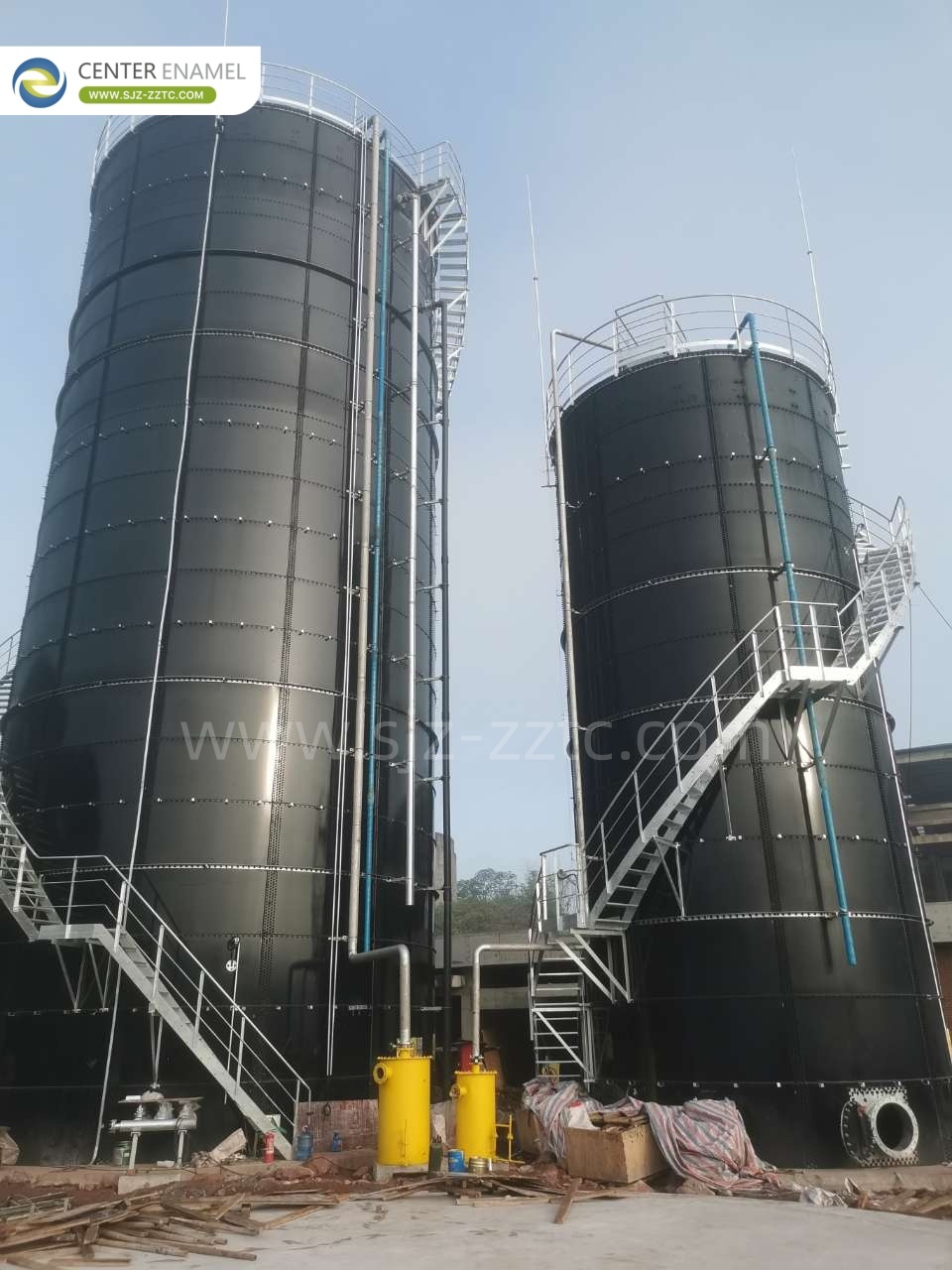
ミャンマーのバイオガスソリューションとGFSタンク
| 起源の場所: | 中国 |
| ブランド名: | CEC TANKS |
| 証明: | ISO 9001:2008, AWWA D103 , OSHA , BSCI |
| モデル番号: | W |
| 最小注文数量: | 1セット |
| 価格: | $5000~$20000 one set |
| パッケージの詳細: | 各 2 枚の鋼板の間に PE ポリフォーム;木製パレットと木製 |
| 受渡し時間: | 入金受領後10-30日 |
| 支払条件: | LC、T/T |
| 供給の能力: | 月60セット |
|
詳細情報 |
|||
| 起源の場所 | 中国 | ブランド名 | CEC TANKS |
|---|---|---|---|
| 証明 | ISO 9001:2008, AWWA D103 , OSHA , BSCI | モデル番号 | W |
| タンク本体色: | ダークグリーン / カスタマイズ可能 | 腐食の完全性: | 素晴らしい |
| 鋼板の厚さ: | 3mm~12mm、タンク構造による | 耐薬品性: | 素晴らしい |
| パネルのサイズ: | 2.4M * 1.2M | お手入れ簡単: | 滑らか、光沢、不活性、癒着防止 |
| ハイライト: | 畜産肥料のためのバイオガス溶液,廃水処理用GFSタンク,ミャンマーにおける家畜肥料バイオガスプロジェクト |
||
製品説明
牛の糞尿を変える:ミャンマーのバイオガスソリューションとGFSタンク
ミャンマーの農業セクターが戦略的近代化を遂げる中、畜産業、特に乳製品と牛肉の両方を目的とした牛の飼育は、国民経済と農村の生活に重要な貢献をするものとして台頭してきました。しかし、より集約的な農法への移行は、大量の動物排泄物の管理という重大な環境課題をもたらします。ミャンマー全土の畜産企業にとって、先進的な技術を導入バイオガスソリューション生産性と環境管理のバランスをとるためには、もはや選択肢ではなく、戦略的に必要なことです。のような高効率の嫌気プロセスを組み合わせることで、UASB(上向流嫌気性汚泥ブランケット)耐久性のあるガラス溶融鋼 (GFS) タンク、農場経営者は、危険な牛の糞尿をクリーンな再生可能エネルギー源に変えることに成功しています。
ミャンマーの畜産業の現状
ミャンマーには多くの牛の頭数があり、伝統的に牛の動力として利用されてきましたが、国内および地域の需要の増大に応えるため、食肉と牛乳の生産にますます重点が置かれています。業界では、裏庭農業から半集約型および集約型の管理システムへの移行が見られます。この工業化は食料安全保障を支援する一方で、環境悪化を防ぐために専門的な処理を必要とする「高強度」有機廃棄物を大量に生成します。
し尿の直接排出による環境上の危険性
激しいモンスーンの季節を特徴とするミャンマーの熱帯気候では、牛糞尿の直接排出または不適切な廃棄は、深刻な環境危険につながります。
水の汚染:硝酸塩、リン酸塩、病原菌のイラワジ川流域とサルウィン川流域への浸出、および農村地域で使用される地元の地下水供給。
大気汚染: 未処理の肥料の分解により、大量のメタン ($CH_4$) とアンモニアが放出され、地域の温室効果ガスの排出量と大気質の問題の一因となります。
土壌劣化: 過剰な生肥料の散布は、栄養素の過負荷につながり、土壌の pH と長期的な農業生産性に影響を与える可能性があります。
バイオセキュリティのリスク:未処理の廃棄物はハエや病原菌の繁殖地となり、家畜や人間の間で病気が伝染するリスクを高めます。
ミャンマーの廃水処理政策
近年では、ミャンマー政府は、農業・畜産・灌漑省を通じて、持続可能な農業実践を推進してきました。特定の家畜排せつ物規制はまだ発展途上ですが、「グリーン成長」と再生可能エネルギーの導入に向けた国家的な取り組みは明らかです。新しい環境ガイドラインは、ASEAN 地域の環境基準に沿って、天然水資源を保護し炭素排出量を削減するために、大規模農場が標準化された廃棄物管理システムを導入することを奨励しています。
廃棄物からエネルギーへ: 牛の糞尿からバイオガスが生成される仕組み
牛の糞尿をバイオガスに変換することは、農業副産物から最大の価値を引き出す、制御された生物学的プロセスです。
コレクション: 肥料と小屋の排水は集中サンプまたは混合タンクに集められます。
前処理: 廃棄物は、反応器に入る前に固形分濃度を調整するためにふるいにかけられることがよくあります。
嫌気性消化: スラリーは無酸素反応器に供給され、そこで細菌が加水分解、酸生成、アセト生成、メタン生成という 4 つの生物学的段階を通じて有機物を分解します。
バイオガスの回収: このプロセスではバイオガス (メタンと二酸化炭素の混合物) が生成され、貯蔵および精製されます。
エネルギー回収: 精製されたガスは、現場での調理、暖房、または熱電併給 (CHP) システムによる発電に使用されます。
高度なエンジニアリング: 特殊な嫌気性プロセス
Center Enamel は、家畜排泄物のさまざまな特性に対応するように設計された一連の嫌気性技術を提供します。
UASB(上向流嫌気性汚泥ブランケット): 液体重質の廃水用に最適化されており、粒状スラッジブランケットを利用して迅速な処理と高効率の COD 除去を実現します。
CSTR (完全撹拌タンク型反応器): 機械的撹拌を使用して均一な消化を保証し、沈降を防止する高固形肥料の標準です。
USR (アップフロー固体反応器): 浮遊物質を多く含む廃棄物用に特別に設計されており、複雑な有機繊維を最大限に分解できます。
IC(内部循環)リアクトル: 循環に内部ガスリフトを使用した高速反応器で、大規模な工業用乳製品処理に最適です。
バイオガスプロジェクトにおける GFS タンクの応用利点
ミャンマーにおけるバイオガスプロジェクトについては、ガラス溶融鋼 (GFS) タンク従来のコンクリートや炭素鋼に比べて、次のような大きな利点があります。
優れた耐食性: ガラスとスチールの結合により、腐食性$H_2S$や有機酸に対する不活性バリアが形成されます。
迅速なモジュラー構造: ボルト固定された GFS タンクは、大規模なコンクリート注入を必要とせず、遠隔地に迅速に設置できます。
熱と紫外線の安定性: ミャンマーの熱帯の猛暑や紫外線にもひび割れや劣化なく耐えられます。
拡張性: モジュール式の性質により、農場は家畜の数の増加に応じてタンク容量を増やすことができます。
センターエナメルを選ぶ理由
Center Enamel は、環境工学の世界的リーダーであり、次のような実績があります。
EPC機能: 当社は、生物学的プロセスの設計から装置の製造、現場での設置までのすべてをカバーするターンキー ソリューションを提供します。
世界的な品質基準: 当社の GFS タンクは、AWWA D103、OSHA、ISO などの国際規格を満たすかそれを上回っています。
数十年にわたる専門知識: 100 か国以上でのプロジェクトを通じて、私たちはテクノロジーを現地の気候や運用上のニーズに適応させる方法を理解しています。
世界的な成功事例: 実証済みのプロジェクト事例
Case1: マレーシアのバイオガスプロジェクト
タンク寸法:φ22.93×12.325m(H) 1台
総容積: 5,087 m3 — 1 ユニット
竣工年:2025年
事例2:インドネシアのバイオガスプロジェクト
用途: パーム油廃水処理プラント用嫌気性反応器
タンクモデル: Ø17.58 × 8.4 m; Ø16.82×7.2m
タンク数: 3 GFS タンク
設置日: 2013
成長を続けるミャンマーの畜産業にとって、バイオガスソリューションを使用してUASBプロセスそしてGFSタンクこれは持続可能な農業への力強い移行を表しています。 Center Enamel の包括的なエンジニアリングの専門知識により、農場所有者はエネルギーコストを大幅に削減しながら環境責任を果たすことができます。肥料を再生可能電力に変換することで、ミャンマーの農場は天然資源を保護し、長期的な運営収益性を高める持続可能な循環経済を実現できます。