-
鋼タンク に 溶かさ れ た ガラス (596)
-
ステンレス鋼 タンク (434)
-
融合はエポキシ タンクを結んだ (592)
-
鋼鉄タンク (321)
-
アルミニウム ドームの屋根 (1316)
-
廃棄物 貯蔵 タンク (231)
-
溶接された鋼タンク (457)
-
圧力容器 (295)
-
嫌気性のダイジェスター (201)
-
産業水漕 (349)
-
ガラスで覆われた鉄タンク (180)
-
ボルトで固定された鋼鉄タンク (390)
-
沈積物の貯蔵タンク (115)
-
バイオガスの貯蔵タンク (173)
-
流出物 貯蔵タンク (133)
-
農業用水貯蔵タンク (179)
-
消防水タンク (166)
-
穀物 貯蔵 所 (146)
-
バイオガス プロジェクト (425)
-
排水処理のプロジェクト (788)
-
双面膜 の 屋根 (223)

|
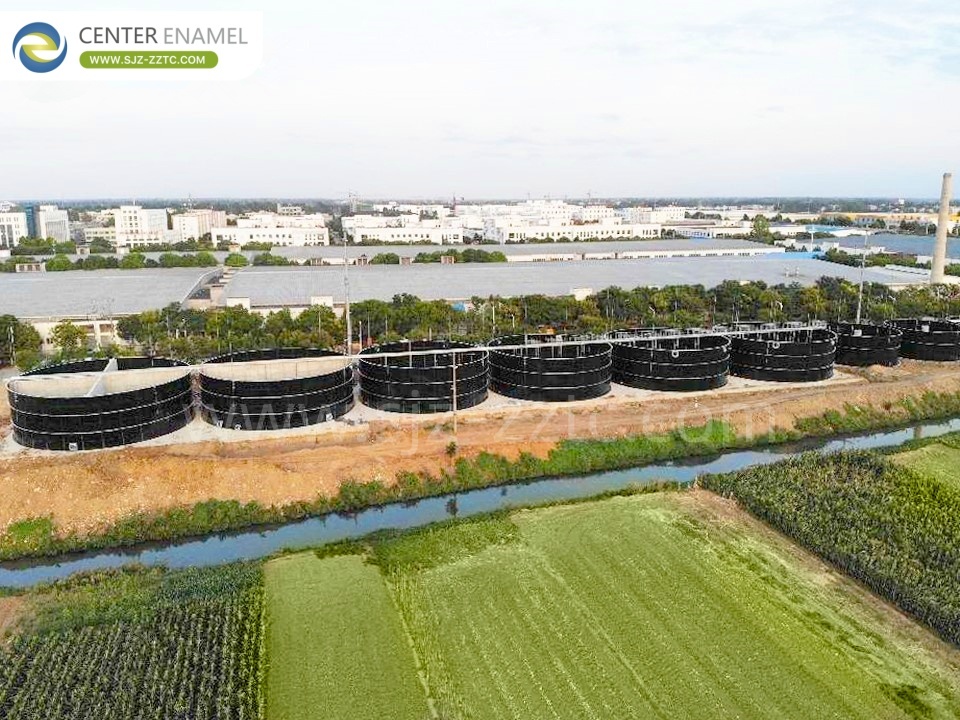
牛の肥料の加工: バイオガス技術とフィリピンのGFSタンク
| 起源の場所: | 中国 |
| ブランド名: | CEC TANKS |
| 証明: | ISO 9001:2008, AWWA D103 , OSHA , BSCI |
| モデル番号: | W |
| 最小注文数量: | 1セット |
| 価格: | $5000~$20000 one set |
| パッケージの詳細: | 各 2 枚の鋼板の間に PE ポリフォーム;木製パレットと木製 |
| 受渡し時間: | 入金受領後10-30日 |
| 支払条件: | LC、T/T |
| 供給の能力: | 月60セット |
|
詳細情報 |
|||
| 起源の場所 | 中国 | ブランド名 | CEC TANKS |
|---|---|---|---|
| 証明 | ISO 9001:2008, AWWA D103 , OSHA , BSCI | モデル番号 | W |
| タンク本体色: | ダークグリーン / カスタマイズ可能 | 腐食の完全性: | 素晴らしい |
| 鋼板の厚さ: | 3mm~12mm、タンク構造による | 耐薬品性: | 素晴らしい |
| パネルのサイズ: | 2.4M * 1.2M | お手入れ簡単: | 滑らか、光沢、不活性、癒着防止 |
| ハイライト: | 畜産肥料のバイオガス技術,廃水処理用GFSタンク,牛の糞便バイオガス フィリピン |
||
製品説明
牛の糞尿を変える: フィリピンのバイオガス技術と GFS タンク
フィリピンが人口増加の需要に応えるために農業生産性を強化し続ける中、乳製品と牛肉の両方の生産を含む畜産業は国家経済の重要な柱となっています。しかし、農業慣行の強化は、大量の家畜廃棄物の管理という重大な環境課題をもたらします。フィリピン全土の畜産企業にとって、先進的な技術を導入バイオガス技術産業の成長と環境管理のバランスをとるためには、もはや選択の余地はなく、戦略的に必要なことです。のような高効率の嫌気プロセスを組み合わせることで、USR (アップフロー固体反応器)耐久性のあるガラス溶融鋼 (GFS) タンク、農場経営者は、危険な牛の糞尿をクリーンな再生可能エネルギー源に変えることに成功しています。
フィリピンの畜産業の現状
フィリピンの畜産業は、特にミンダナオ島や中部ルソン島などの地域で、裏庭農業と商業的な飼養場や酪農場の増加が混在しているのが特徴です。輸入牛肉と牛乳への依存を減らすために、政府は地元の牛の飼育拡大を奨励してきた。これは食料安全保障をサポートする一方で、特定の地域に牛が集中することで、専門的な処理を必要とする大量の「高濃度」有機廃棄物が発生します。
し尿の直接排出による環境上の危険性
フィリピンの熱帯多雨気候では、牛糞尿の直接排出または不適切な廃棄は、深刻な環境危険につながります。
水の汚染: 硝酸塩、リン酸塩、病原菌が重要な河川系や地元の地下水に浸出します。地下水は多くの場合、近隣地域社会の主要な水源として機能します。
大気汚染: 未処理の肥料の分解により大量のメタン($CH_4$)とアンモニアが放出され、農業部門の温室効果ガスの排出量に寄与します。
臭気および公衆迷惑行為:住宅地に近い集約農場は、圧倒的な臭気や昆虫の繁殖により社会的圧力にさらされることがよくあります。
バイオセキュリティのリスク:未処理の廃棄物には、家畜の健康を脅かし、人獣共通感染症のリスクを高める病原体が潜んでいる可能性があります。
フィリピンの廃水処理政策
これらの課題に対処するために、フィリピン政府は、主に厳しい環境規制を施行してきました。浄水法 (RA 9275)そして環境天然資源省 (DENR)排水基準に関する行政命令。これらの政策は、農業施設に標準化された廃水処理システムの導入を義務付けています。さらに、再生可能エネルギー法バイオガスプロジェクトにインセンティブを提供し、農場がオンサイトで発電しながらコンプライアンスを満たすために「廃棄物エネルギー化」モデルを採用することを奨励します。
廃棄物からエネルギーへ: バイオガスの生産プロセス
牛の糞尿をバイオガスに変換することは、農業副産物から最大の価値を引き出す、制御された生物学的プロセスです。
廃棄物の収集: 肥料と小屋の排水は集中サンプに集められます。
嫌気性消化: ハイソリッドスラリーは、嫌気性リアクター。
生物学的段階: この酸素のない環境内では、細菌は加水分解、酸生成、アセト生成、メタン生成の 4 つの段階を通じて有機物を分解します。
メタンの生成: 主な副産物はバイオガス(ほとんどがメタン)、これは消化装置システム内で捕捉され、保管されます。
資源回収: 精製されたバイオガスは電気や熱を生成し、残った消化物は栄養豊富な有機肥料として機能します。
高度なエンジニアリング: 特殊な嫌気性プロセス
Center Enamel は、さまざまな家畜排泄物の特性を処理するように設計された一連の嫌気性技術を提供します。
USR (アップフロー固体反応器): 浮遊物質 (SS) を多く含む廃棄物用に特別に設計されています。固形物の保持時間が長く、複雑な有機繊維を最大限に分解できるため、濃厚な牛糞に最適です。
CSTR (完全撹拌タンク型反応器): 機械的撹拌を使用してスラリーを懸濁状態に保ち、均一な消化と安定したガス生成を確保して、一貫したエネルギー出力を実現します。
UASB(上向流嫌気性汚泥ブランケット): 液体重質の廃水用に最適化されており、粒状スラッジブランケットを利用して迅速な処理と高効率の COD 除去を実現します。
IC(内部循環)リアクトル: 内部循環にガスリフトを使用した高速反応器で、大規模な工業用乳製品処理に最適です。
バイオガスプロジェクトにおける GFS タンクの応用利点
フィリピンのバイオガスプロジェクトについては、ガラス溶融鋼 (GFS) タンクは原子炉インフラストラクチャーの第一の選択肢です。
優れた耐食性: ガラスとスチールの結合により、腐食性の $H_2S$ や消化中に生成される有機酸から容器を保護します。
迅速なモジュラー構造: コンクリートとは異なり、GFS タンクは現場でボルトで固定されます。これは、プロジェクトの厳しい納期を守り、現場の労働力を削減するために非常に重要です。
熱帯気候の回復力: フィリピンの極度の紫外線レベル、高湿度、台風にもひび割れや劣化なく耐えられます。
メンテナンスの容易さ: 滑らかな表面によりスケールの蓄積を防ぎ、30 年を超える耐用年数を保証します。
Center Enamel と提携する理由
Center Enamel は、環境工学の世界的リーダーであり、次のような明確な利点を提供します。
ターンキー EPC ソリューション: 当社は、生物学的プロセスの設計やタンクの製造から、オンサイトでの設置や試運転まで、プロジェクトのライフサイクル全体を扱います。
数十年にわたる専門知識: 100 か国以上でプロジェクトを行っており、現地の運用ニーズにテクノロジーを適応させた豊富な経験があります。
国際的なコンプライアンス: 当社のタンクとシステムは、AWWA D103-09、OSHA、ISO などの国際規格を満たすか、それを上回っています。
世界的な成功事例: 実証済みのプロジェクト事例
事例1: カナダのバイオガスプロジェクト
タンク寸法:φ8.4×7.2m(H) 2台
総容積: 798 m3
竣工年:2024年
事例2: スウェーデンのバイオガスプロジェクト
タンク寸法:φ19.11×19.2m(H) 1台
総容積:5,510m3
竣工年:2024年
フィリピンの畜産業の繁栄のために、バイオガス技術を使用してUSRプロセスそしてGFSタンク廃棄物管理の革新的なソリューションを表します。 Center Enamel の包括的なエンジニアリング専門知識により、農場所有者はエネルギーコストを大幅に削減しながら、厳しい環境規制を満たすことができます。フィリピンの農場は、肥料を再生可能電力に変換することで、天然資源を保護し、数十年にわたる長期的な運営収益性を高める持続可能な循環経済を実現できます。