-
鋼タンク に 溶かさ れ た ガラス (596)
-
ステンレス鋼 タンク (434)
-
融合はエポキシ タンクを結んだ (592)
-
鋼鉄タンク (321)
-
アルミニウム ドームの屋根 (1316)
-
廃棄物 貯蔵 タンク (231)
-
溶接された鋼タンク (457)
-
圧力容器 (295)
-
嫌気性のダイジェスター (201)
-
産業水漕 (349)
-
ガラスで覆われた鉄タンク (180)
-
ボルトで固定された鋼鉄タンク (390)
-
沈積物の貯蔵タンク (115)
-
バイオガスの貯蔵タンク (173)
-
流出物 貯蔵タンク (133)
-
農業用水貯蔵タンク (179)
-
消防水タンク (166)
-
穀物 貯蔵 所 (146)
-
バイオガス プロジェクト (425)
-
排水処理のプロジェクト (788)
-
双面膜 の 屋根 (223)

|
ニュージーランドのペニセトム・プルプリウムバイオガスプロジェクトのための先進バイオガスソリューション
| 起源の場所: | 中国 |
| ブランド名: | CEC TANKS |
| 証明: | ISO 9001:2008, AWWA D103 , OSHA , BSCI |
| モデル番号: | W |
| 最小注文数量: | 1セット |
| 価格: | $5000~$20000 one set |
| パッケージの詳細: | 各 2 枚の鋼板の間に PE ポリフォーム;木製パレットと木製 |
| 受渡し時間: | 入金受領後10-30日 |
| 支払条件: | LC、T/T |
| 供給の能力: | 月60セット |
|
詳細情報 |
|||
| 起源の場所 | 中国 | ブランド名 | CEC TANKS |
|---|---|---|---|
| 証明 | ISO 9001:2008, AWWA D103 , OSHA , BSCI | モデル番号 | W |
| タンク本体色: | ダークグリーン / カスタマイズ可能 | 腐食の完全性: | 素晴らしい |
| 鋼板の厚さ: | 3mm~12mm、タンク構造による | 耐薬品性: | 素晴らしい |
| パネルのサイズ: | 2.4M * 1.2M | お手入れ簡単: | 滑らか、光沢、不活性、癒着防止 |
| ハイライト: | ペニセトゥム・プルプリウム バイオガス溶液,ニュージーランドのバイオガスプロジェクト,廃水処理のバイオガスシステム |
||
製品説明
ニュージーランド Pennisetum Purpureum バイオガス プロジェクト向けの高度なバイオガス ソリューション
近年、ニュージーランドは、厳格な環境義務とカーボンニュートラルへの国家的取り組みによって、再生可能エネルギー分野とバイオエコノミーを継続的に推進してきました。この国は地域に限定された農業および牧畜の枠組みを集中的に管理している一方で、バイオマス原料の多様化は持続可能な開発への重要な経路となっています。ペニセタム・プルピュウムエレファントグラスは、その例外的に高いバイオマス収量と急速な成長サイクルで知られ、主要なエネルギー作物として台頭しています。この高収量栽培をクリーンなバイオエネルギーに変換するために対象を絞ったバイオガス ソリューションを利用することは、産業用送電網の需要のバランスをとり、農業の炭素排出量を削減するために不可欠な戦略となっています。
ニュージーランドにおけるペニセタム・プルプルウム栽培の概要と応用
の栽培ペニセタム・プルピュウムは、ニュージーランド全土、特に温暖な北部地域と農業研究専用地域で戦略的関心を集めています。メンテナンスの必要性が低く、多様な土壌構成に対する高い耐性が特徴で、主要な酪農牧草地と競合することなく農村の土地生産性を最適化するための理想的な作物として機能します。高収量バイオマス源としての基本的な可能性を超えて、ペニセタム・プルピュウム多目的工業原料としての探求がますます進んでいます。その緻密な繊維構造により、バイオベースの製造、環境に優しい構造繊維複合材料、そして最も注目すべきは、局地的な産業グリッドをサポートする分散型廃棄物発電所の優れた候補となっています。
Pennisetum Purpureum がどのようにしてバイオガスに変化し、ニュージーランドにもたらす主な利点
の生物学的変換ペニセタム・プルピュウムメタンが豊富なバイオガスへの変換は、完全に酸素のない環境で特殊な細菌培養物が複雑な有機物を分解する一連の生物学的シーケンスである嫌気性消化によって発生します。この生化学経路は、次の 4 つの連続した生物学的段階を通じて機能します。
加水分解:大きくて複雑なリグノセルロース有機構造と生のセルロース繊維は、単糖のような小さな可溶性単位に溶解および単純化されます。
酸発生:酸を生成する微生物は、これらの新たに生成された可溶性化合物を発酵させ、揮発性脂肪酸 (VFA) と単純なアルコールに変換します。
アセト生成:特殊な酢酸生成菌が揮発性脂肪酸をさらに分解し、酢酸、水素ガス、二酸化炭素に変換します。
メタン生成:高感度のメタン生成古細菌はこれらの前駆体を代謝し、主にメタン ($CH_4$) から構成される高収量のバイオガス流を生成します。
実装するペニセタム・プルピュウムバイオガス ソリューションは、ニュージーランドに局所的な重要な利点をもたらします。
カーボンニュートラル目標の加速:これは、化石燃料の使用を直接相殺するクリーンな再生可能エネルギーの流れを提供し、国のネットゼロエミッション目標に沿ったものです。
牧畜農業の統合の強化:共消化ペニセタム・プルピュウム乳肥料との混合により、非常に安定した原料ブレンドが得られ、農業廃棄物管理プラントのエネルギー収量が最大化されます。
限界地価の最適化:これにより、地主は一次農地を侵害することなく、肥沃ではない土地や限界面積を利用して、高収量のバイオエネルギー生産を行うことができます。
農場でのバイオセキュリティと循環性の強化:このプロセスは雑草の種子や病原体を破壊し、同時に優れた天然肥料として機能する栄養豊富な有機消化物を生成します。
センターエナメルの足跡: パキスタン Pennisetum Purpureum バイオガス プロジェクト
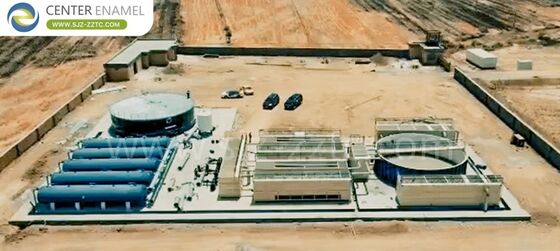
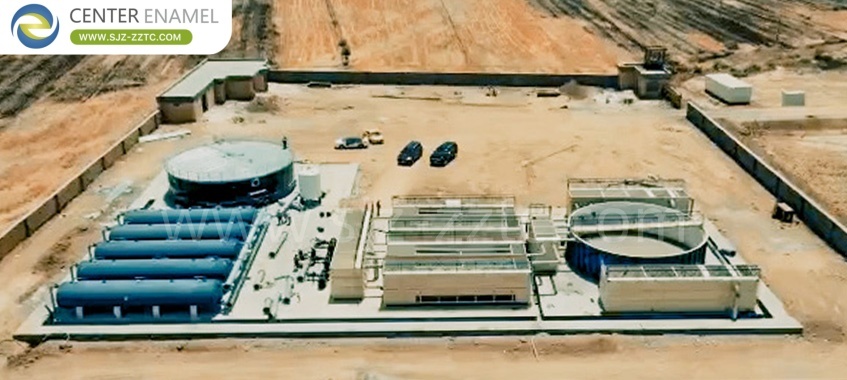
Center Enamel は、主要なバイオガス プロジェクト EPC 請負業者としての国際的な能力を実証し、革新的なパイロットを通じて南アジアでの高度な嫌気性ソリューションの導入に成功しました。ペニセタム・プルピュウムパキスタンのバイオガスプロジェクト。このプロジェクトは、食堂の生ごみとペニセタム・プルピュウム先進的な CSTR (連続撹拌タンク反応器) プロセスと特殊なエンジニアリング機器の完全なパッケージを一元的に利用して、主要原料として使用します。
高度な機械的混合技術を組み込むことにより、この設計は生の有機投入物と嫌気性微生物との完全な接触を保証し、有機分解効率を大幅に高め、1日あたり100立方メートルの安定した連続的なバイオガス生産量を達成します。この設備は主力デモンストレーション プロジェクトとして機能し、主にバイオガスの収量効率と長期的な運用安定性のテストに焦点を当てています。この現在のパイロット段階の検証と成熟に成功した後、将来の計画には、ペニセタム・プルピュウム地域全体でのグリーンエネルギーの導入をさらに加速します。
コア嫌気テクノロジー: CSTR、UASB、USR、IC
適切な生物学的プロセス構成を選択することは、農業バイオマスの流れに特有の変動する有機負荷と高浮遊物質に対処するために極めて重要です。 Center Enamel は、4 つの異なる嫌気性プロセスにわたる専門知識を提供します。
CSTR (連続撹拌タンク反応器):CSTR プロセスは、固形分率が高い、または細断されたような濃厚な有機パルプを含む廃棄物の流れを管理するための最適な選択肢です。ペニセタム・プルピュウム。その強力な機械的混合システムは、完全に均一な生物学的環境を維持し、表面スカムの形成を抑制し、一貫した高速の有機変換を保証します。
UASB (上向流嫌気性汚泥ブランケット):反応性の高い液相プロセスは、事前に沈殿させた農業廃水に最適です。液体廃棄物は、高密度の自己集合粒状汚泥床を通って上方に移動し、省スペースのプラント構成内で可溶性 COD を急速に分解します。
USR (アップフロー固体反応器):総浮遊固形物 (SS) を多く含む廃棄物の流れを管理するように特別に構成されています。この構成は、粒子状有機物を消化ゾーン内に長期間保持することで機能し、完全な分解と優れたバイオガス生成を保証します。
IC (内部循環) リアクター:自己生成バイオガス浮力によって駆動される統合された二段内部循環ループを備えた、高効率の次世代深部反応器です。非常に重い体積有機負荷率の管理に優れており、大容量の産業施設に適しています。
ニュージーランド Pennisetum Purpureum バイオガス プロジェクトにおける GFS タンクの利点
産業廃棄物発電プロジェクトの長期的なパフォーマンスは、主要な原子炉の構造的信頼性に直接依存します。 Center Enamel には、世界クラスの Glass-Fused-to-Steel (GFS) タンクが組み込まれており、厳しい動作条件下で比類のないパフォーマンス上の利点を提供します。
優れた化学物質および腐食シールド:有機バイオマスの嫌気性分解により、強力な有機酸と腐食性の高い硫化水素($H_2S$)ガスが生成されます。スチールパネルのコアに溶着された不活性ガラスシェルは、スチールを化学的磨耗から完全に隔離する堅牢で不浸透性の層を形成し、従来のコンクリートや溶接スチールよりも優れた性能を発揮します。
温度変化と耐震基準への適応性:ニュージーランドでは、局地的な地震活動のため、厳格な構造上の義務が課されています。 GFS タンクのモジュール式ボルト締め構造は、優れた構造的柔軟性を提供し、構造亀裂を発生させることなく、容器が地震による物理的応力、局所的な移動、熱膨張に耐えることを可能にします。
迅速なオンサイト設置と環境安全:GFS タンクは、管理された工場環境内で完全にプレハブ化されており、モジュール式でプロジェクト現場に配送され、専用の油圧ジャッキを使用して迅速に組み立てられます。これにより、長いコンクリート硬化段階が不要になり、現場の環境破壊が最小限に抑えられ、プロジェクトの迅速な試運転が保証されます。
最適化された土地の設置面積とスケーラビリティ:商業用農業レイアウトではスペースが非常に制限される場合があります。垂直タンク構成は、占有面積を最小限に抑えながら膨大な容積の貯蔵を提供し、流入するバイオマス処理量が時間の経過とともに拡大するのに合わせて、適合するモジュラーユニットをシームレスに追加することが容易になります。
バイオガス プロジェクトで Center Enamel と提携する理由
Center Enamel を専門の EPC 請負業者として選択すると、運用面および技術面で広範な利点が得られます。
ターンキーエンジニアリングパッケージ:当社は、カスタムの生物学的プロセス設計、プレミアムタンクの製造、精密機器の調達、迅速な現場設置、スマートオートメーションシステムのコミッショニングに至る、包括的なプロジェクトライフサイクルサービスを提供します。
カスタマイズされた技術ソリューション設計:バイオマスの特性が収穫サイクルと処理規模によって異なることを理解した上で、当社の専門エンジニアは、地域の廃棄物の特性と地域の環境パラメータに正確に一致するように、あらゆる嫌気性プラントのレイアウトを構成します。
完全に統合された機器スイート:高品質の GFS タンクの製造を超えて、当社は二重膜ガスホルダー、カスタマイズされた混合システム、高度なバイオガス精製ユニットなどの重要なプロセスコンポーネントを設計し、導入しています。
広範なグローバルプロジェクト実績:Center Enamel は、100 か国以上で保管および処理システムの稼働を成功させており、廃棄物からエネルギーへの世界的なイノベーションを現地の基準や厳しい環境規制と効果的に調和させています。
業界で実証済みのプロジェクト事例
Center Enamel の世界的な設計能力と堅牢なエンジニアリング標準は、国際的な主要な廃棄物発電施設を通じて実証されています。
事例 1: フランスのバイオガスプロジェクト
プロセス段階: CSTR
タンク寸法:φ18.33×8.4m(H) 1台
総容積: 2215 m3
竣工日:2021年
事例 2: マレーシアのバイオガスプロジェクト
タンク寸法:φ22.93×12.325m(H) 1台
総容積: 5087 m3
竣工日:2025年
ニュージーランドがグリーン経済成長、農産物排出量の厳格な遵守、持続可能な資源回収への取り組みを強化する中、耐久性のある最新のインフラの開発は不可欠です。特化した構築ペニセタム・プルピュウム高度なバイオガス ソリューション、柔軟な CSTR プロセス、および高品質の GFS タンクに基づいたバイオガス処理プロジェクトは、商業農業生産者や自治体当局に、環境廃棄物の課題を解決するための信頼性が高く、収益性の高い方法を提供します。
Center Enamel と戦略的パートナーシップを形成することにより、地方自治体および産業関係者は、世界クラスのプロセス エンジニアリング、現場で実証された嫌気性構成、および弾力性のある封じ込めシステムへの直接アクセスを確保します。この包括的なアプローチは、地域の厳しい環境規制を容易に満たし、日々の廃棄物処理費用を大幅に削減し、信頼できるクリーン エネルギー源を生み出すことで、ニュージーランドの長期的な環境保護と再生可能エネルギーの目標を確実に達成します。