-
鋼タンク に 溶かさ れ た ガラス (596)
-
ステンレス鋼 タンク (434)
-
融合はエポキシ タンクを結んだ (592)
-
鋼鉄タンク (321)
-
アルミニウム ドームの屋根 (1316)
-
廃棄物 貯蔵 タンク (231)
-
溶接された鋼タンク (457)
-
圧力容器 (295)
-
嫌気性のダイジェスター (201)
-
産業水漕 (349)
-
ガラスで覆われた鉄タンク (180)
-
ボルトで固定された鋼鉄タンク (390)
-
沈積物の貯蔵タンク (115)
-
バイオガスの貯蔵タンク (173)
-
流出物 貯蔵タンク (133)
-
農業用水貯蔵タンク (179)
-
消防水タンク (166)
-
穀物 貯蔵 所 (146)
-
バイオガス プロジェクト (425)
-
排水処理のプロジェクト (788)
-
双面膜 の 屋根 (223)

|
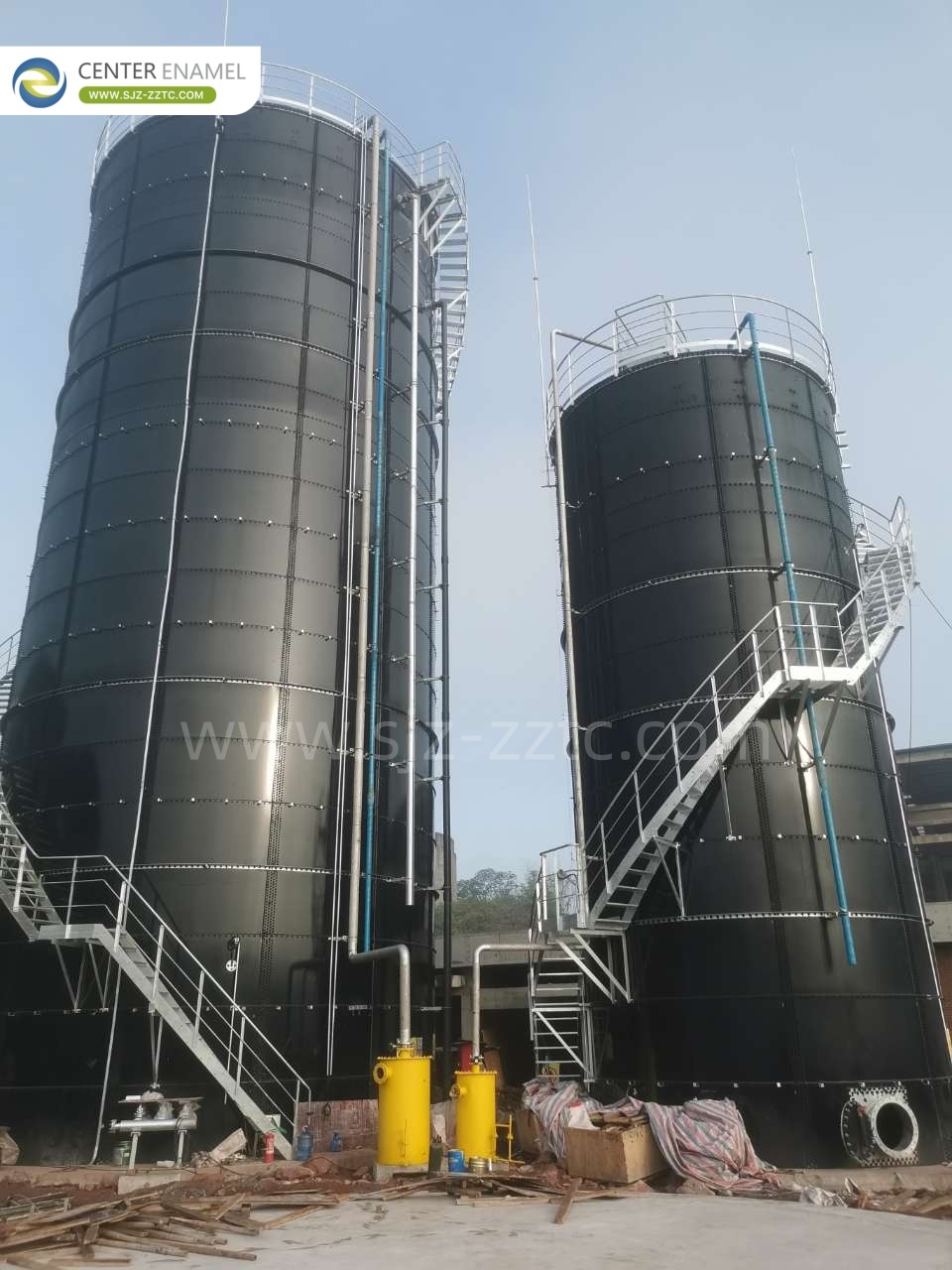
オーストラリアのシラージュストローバイオガスプロジェクトのための包括的な無酸素ソリューション
| 起源の場所: | 中国 |
| ブランド名: | CEC TANKS |
| 証明: | ISO 9001:2008, AWWA D103 , OSHA , BSCI |
| モデル番号: | W |
| 最小注文数量: | 1セット |
| 価格: | $5000~$20000 one set |
| パッケージの詳細: | 各 2 枚の鋼板の間に PE ポリフォーム;木製パレットと木製 |
| 受渡し時間: | 入金受領後10-30日 |
| 支払条件: | LC、T/T |
| 供給の能力: | 月60セット |
|
詳細情報 |
|||
| 起源の場所 | 中国 | ブランド名 | CEC TANKS |
|---|---|---|---|
| 証明 | ISO 9001:2008, AWWA D103 , OSHA , BSCI | モデル番号 | W |
| タンク本体色: | ダークグリーン / カスタマイズ可能 | 腐食の完全性: | 素晴らしい |
| 鋼板の厚さ: | 3mm~12mm、タンク構造による | 耐薬品性: | 素晴らしい |
| パネルのサイズ: | 2.4M * 1.2M | お手入れ簡単: | 滑らか、光沢、不活性、癒着防止 |
| ハイライト: | シラージスローのための無酸素溶液,オーストラリアのバイオガスプロジェクト,排水処理の無酸素システム |
||
製品説明
オーストラリアのシラージュストローバイオガスプロジェクトのための包括的な無酸素ソリューション
シラージストローとは,主にトウモロコシ,小麦,またはソーゴから作られる高湿度農作物残留物であり,制御された無酸素発酵 (エンシリング) によって切断され保存されます.この 特殊 な 保存 方法 に よっ て,溶ける 砂糖 や 植物 の 有機 物質 が 保持 さ れ ます畜産や大規模産業用バイオエネルギーシステムに 使われる 栄養豊富な 優れた原材料です
オーストラリアにおけるシラージ・ストロー資源の概要と応用
シラージ・ストローの生産と農業統合は,オーストラリア全土で急速に拡大しており,この国の広大な耕地と独特の農業サブ気候によって支えられています.原作穀物と穀物作物の収穫から豊富な信頼性の高い有機副産物としてシラージストローは 商業規模での持続可能な開発のための主要なバイオマス供給源です大規模な乳製品と牛肉畜産部門の高品質の冬用飼料として使用されている肥料の生産量は,生産量も,生産量も増加しています.大量のリグノセルロース含有量と予測可能な季節性利用可能性は,分散された廃棄物エネルギー発電所の理想的な候補となります農業地域が原産農産物廃棄物を 収益性の高いクリーンなバイオエネルギーに 変えるのを支援する
シラージ ストロー が バイオガス に 変わる 方法:生物 配列
The biological conversion of silage straw into methane-rich biogas occurs through anaerobic digestion—a sequential biological sequence where specialized bacterial cultures break down complex organic matter in a completely oxygen-free environmentこの複雑な生化学的経路は 4つの段階を経て動作します
水解:切断されたシラージュストローの内部にある複雑なセルロース繊維と堅牢なリグノセルロース構造は 酵素によって単純な砂糖に分解されます.
アシドゲネシス酸 を 生み出す微生物 は,これらの 単純な 有機化合物を 揮発性 脂肪酸 (VFAs) と アルコール に 発酵 し ます.
アセトゲネス特殊なアセトゲン菌は,蓄積したVFAをアセティック酸,水素,二酸化炭素に変換する.
メタノゲネス最終段階では,高度に敏感なメタノゲン性アーカイアがこれらの先駆物を代謝し,局所的なグリーンエネルギー生成に備えた高出力バイオガスストリームを生成します.
オーストラリアのためのシラージュストローバイオガスソリューションの戦略的利益
農業用シラージーストローを加工するための先進的なバイオガスのソリューションの導入は,オーストラリアのユニークな環境と経済的な景観に 多次元的な利点をもたらします.
農業における火災リスクの軽減過剰なストローを局所的に収集し,無酸素で閉じ込めることで,農場での燃料負荷を大幅に削減し,露天での野場の分解と季節的な農村での火災の危険を軽減します.
分散電力と地域ネットワークの回復力:密集した作物廃棄物を予測可能な電力に変換することで 安定した継続的な再生可能エネルギー供給が可能になり 農村地域社会は不安定なエネルギー市場から 守られるでしょう
持続可能な生物肥料の生産:バイオリアクターの消耗した消化物副産物は 栄養豊富な有機肥料を 均衡させ 合成化学物質を代替し 乾燥地帯の土壌に炭素を蓄積します
基本アナエロビック技術:CSTR,UASB,USR,IC
適切な生物学的プロセス構成を選択することは,農業用バイオマス流に特有の変動する有機物負荷と高量の懸浮固体に対処するために不可欠です.センターエナメルは4つの異なる無酸素プロセスで専門的な専門知識を提供しています:
CSTR (連続混ぜたタンクリアクター):CSTRプロセスは,固体分子が多く,シラージュストローのような厚い有機パルスを含む廃棄物流の管理に最適な選択肢です.その 強力な 機械 的 な 混合 システム に よっ て 完全 に 均一 な 生物 環境 が 維持 さ れ ます表面のスム formation を抑制し,高速で一貫した有機変換を確実にします.
UASB (アップフローアナエロビックスラッドカバー):液体廃棄物は 密集した自己組成の粒状泥床を通って 上へ移動します空間節約装置の構成で急速に分解する溶解性COD.
USR (上流固体原子炉)特別に,高総懸浮固体 (SS) を含む廃棄物流を管理するために構成されている.この構成は,消化領域内に有機物質の微粒子を長期間にわたって保持することによって機能します徹底的な分解と優れたバイオガス生産を保証します
IC (内部循環) 原子炉:高効率の次世代の深層原子炉で 自作バイオガスの浮力によって 統合された二段階の内部循環回路を備えていますオーガニック・ロードの速度が非常に高い高容量産業施設に適している.
オーストラリアのGFSタンクの利点 シラージ・ストロー・バイオガスプロジェクト
産業廃棄物からエネルギーを生み出す開発の長年にわたる業績は 主要な容器の構造的信頼性に直接依存しますセンター エナメル は 世界 級 の グラス 融合 鉄 (GFS) の タンク を 組み込み,オーストラリア の 激しい 紫外線 放射線 の 中 で 卓越 し た 性能 益 を 提供 し て い ます沿岸環境と乾燥状態
特殊な化学および腐食防止:有機バイオマスの無酸素分解により,強烈な有機酸と高腐食性硫化水素 (H2S$) のガスが生成される.鋼パネルコアに融合した惰性ガラス殻は,堅牢な,化学的磨損から鋼を完全に隔離する不透層伝統的なコンクリートや溶接鋼を上回る.
気候ストレスと紫外線曝露への適応性:オーストラリア は 暑い 夏 の 暑さ,強烈 な 紫外線 の 濃度,突然 の 熱 変化 を 経験 し て い ます.GFS タンク の 模型の 螺栓型 構造 は 構造 的 柔軟性 を 提供 し て い ます.容器が天候に耐えるようにする構造上の裂け目が生じない状態で 熱膨張をします
迅速な現場設置と物流制御された工場環境の中で完全にプリファブリックで作られ,GFSタンクはプロジェクト現場にモジュール式に配送され,専門的な水力ジャックを使用して迅速に設置されます.混凝土を固める長い段階をなくし,現地労働の必要性を低減しますプロジェクトを迅速に開始できるようにします
土地の足跡と拡張性を最適化する垂直タンク配置は,最小限の土地面積を占めながら,広大な容量貯蔵を可能にします.バイオマスの処理量が増加するにつれて,マッチングするモジュールユニットをシームレスに追加することを容易にする.
なぜバイオガスプロジェクトでセンターエナメルと提携するのか
専門的なEPC契約者としてCenterEnamelを選択すると,広範な運用と技術上の利点があります.
鍵のかかったエンジニアリング パッケージ:生物学的プロセス設計,高級タンク製造,精密機器の調達, 急速な現場設置,スマートオートメーションシステムの稼働.
調整された技術ソリューションの設計:バイオマスの性質は収穫サイクルと加工スケールによって異なります.専門のエンジニアは,すべての無酸素プラントのレイアウトを,地元の廃棄物特性と地域環境パラメータに正確にマッチするように設定します.
完全に統合された機器のセット:高品質のGFSタンクを製造するだけでなく 重要なプロセスコンポーネントを設計し 導入しています 例えば 双膜ガスホルダー 合わせた混合システム 先進的なバイオガス浄化装置などです
広範なグローバルプロジェクト履歴:100カ国以上で成功して稼働した 貯蔵・処理システムセンターエナメルは,廃棄物からエネルギーへの世界的な革新を,地元の基準と厳しい環境規制と効果的に一致させています.
業界で実証されたプロジェクト事例研究
センターエナメルのグローバルデザイン能力と堅牢なエンジニアリング基準は,主要な国際的な廃棄物エネルギー装置で実証されています.
ケース1: インドネシアのバイオガスプロジェクト
適用: パームオイル廃水処理施設の無酸素反応器
タンクモデル: Ø17.58 × 8.4 m, Ø16.82 × 7.2 m
タンク数: 3つのGFSタンク
設置日:2013年
ケース2:フランス バイオガスプロジェクト
プロセス段階:CSTR
タンクの寸法: φ18.33 × 8.4 m (H) 1 ユニット
総容量: 2,215 m3 (1 ユニット)
完成日:2021年
持続可能で近代的なインフラを 開発することが不可欠です オーストラリアは 緑の経済成長,厳しい農産物排放の遵守,持続可能な資源回収への取り組みを 強化しています先進的な無気力化ソリューションに基づくシラージュストロー加工のバイオガスプロジェクトを建設柔軟なCSTRプロセスと高品質のGFSタンクにより,商業農業生産者と市当局が非常に信頼性のある環境廃棄物の課題を解決するための収益性の高い方法センターエナメルと戦略的パートナーシップを結び,市と産業関係者は世界クラスのプロセスエンジニアリング,現場で実証された無酸素構成への直接アクセスを確保します.耐久性のある隔離システムこの包括的なアプローチは,厳格な地元の環境要求に容易に応え,毎日廃棄物処理費を大幅に削減します.オーストラリアの環境保護と再生可能エネルギー目標の達成を保証する.