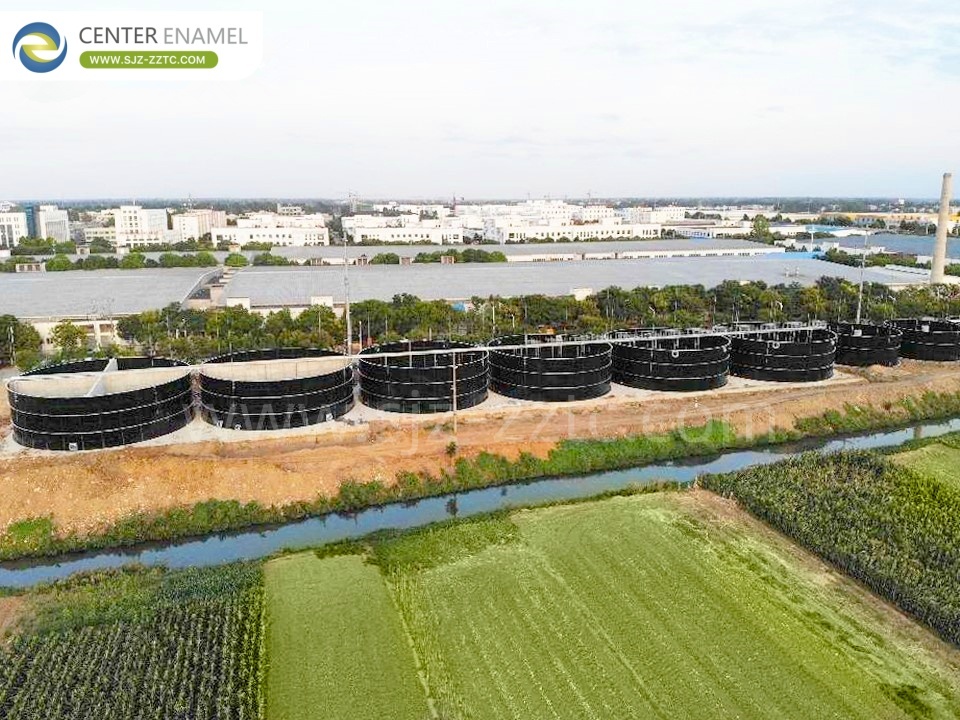
Cassava Processing Waste Biogas Solutions in DRC: Leading GFS Tanks and CSTR Process

プロダクト細部
起源の場所: 中国
ブランド名: CEC TANKS
証明: ISO 9001:2008, AWWA D103 , OSHA , BSCI
モデル番号: W
支払及び船積みの言葉
最小注文数量: 1セット
価格: $5000~$20000 one set
パッケージの詳細: 各 2 枚の鋼板の間に PE ポリフォーム;木製パレットと木製
受渡し時間: 入金受領後10-30日
支払条件: LC、T/T
供給の能力: 月60セット

詳細情報

起源の場所 中国 ブランド名 CEC TANKS
証明 ISO 9001:2008, AWWA D103 , OSHA , BSCI モデル番号 W
タンク本体色: ダークグリーン / カスタマイズ可能 腐食の完全性: 素晴らしい
鋼板の厚さ: 3mm~12mm、タンク構造による 耐薬品性: 素晴らしい
パネルのサイズ: 2.4M * 1.2M お手入れ簡単: 滑らか、光沢、不活性、癒着防止
ハイライト:

Cassava biogas waste treatment solutions

,

GFS tanks for wastewater projects

,

CSTR process biogas DRC

製品説明

Cassava Processing Waste Biogas Solutions in DRC: Leading GFS Tanks and CSTR Process

As the Democratic Republic of the Congo (DRC) accelerates its efforts toward agricultural modernization and sustainable energy independence, the effective management of industrial organic waste has emerged as a key strategic opportunity. This article examines how Center Enamel’s industry-leading Glass-Fused-to-Steel (GFS) tanks and advanced Continuous Stirred-Tank Reactor (CSTR) technology deliver a comprehensive, turnkey solution for converting the nation's abundant cassava processing waste into clean, renewable biogas energy, serving as a reliable partner for industrial infrastructure development.

Cassava Cultivation and Industrial Potential in the DRC

The Democratic Republic of the Congo possesses vast agricultural potential, with cassava serving as a fundamental crop that supports both local food security and expanding industrial starch processing sectors. As processing facilities continue to scale up production to meet national and regional demand, they generate significant volumes of organic byproducts, including nutrient-dense wastewater and fibrous pulp. Historically, these residues have presented environmental management challenges. However, by leveraging modern anaerobic digestion, these materials are now being successfully repurposed. This shift not only mitigates potential environmental hazards but also empowers Congolese agricultural enterprises to transform their waste streams into a consistent, sustainable source of renewable energy for their factories.

Transforming Cassava Processing Waste into Biogas

The conversion of cassava processing residues into biogas creates a powerful circular economy model for Congolese industries. By utilizing anaerobic digestion to treat high-strength wastewater, facilities can significantly reduce chemical oxygen demand (COD), ensuring compliance with environmental standards and preventing soil and water degradation. More importantly, this process captures valuable methane, which serves as a cost-effective, high-energy fuel for onsite electricity production or thermal processes. This transition effectively turns a waste-management liability into a predictable revenue and energy asset, strengthening the operational viability and long-term financial stability of industrial cassava processing plants across the DRC.

Center Enamel: Professional Design for Biogas Solutions

Center Enamel is dedicated to supporting the DRC’s transition to sustainable energy through bespoke, high-performance biogas infrastructure design. We recognize that every project requires a unique approach based on local feedstock characteristics and site-specific operational goals. Our team provides end-to-end design services, beginning with a detailed feedstock analysis and precise reactor sizing to match individual plant throughput. By integrating superior structural engineering with deep biochemical expertise, we ensure that every facility is purpose-built to maximize gas yield, minimize maintenance requirements, and provide a robust, long-term solution tailored to the specific climatic and industrial landscape of the Congo.

Advanced CSTR Process for Efficient Digestion

The CSTR process serves as the technical cornerstone of our biogas solutions. Engineered to manage high-solids-content organic waste—a common characteristic of cassava processing effluent—the CSTR process ensures that all raw materials and anaerobic microorganisms remain thoroughly and uniformly mixed within a closed, controlled environment. Our reactors utilize advanced mechanical stirring devices that maintain optimal uniformity, preventing sludge settlement and dead zones. This consistent mixing guarantees high-efficiency degradation of organic matter and stable methane production, even when the facility operates under continuous or semi-continuous feeding cycles.

GFS Tanks and Double Membrane Roofs

Our storage infrastructure is designed for maximum longevity and operational efficiency. We utilize our signature Glass-Fused-to-Steel (GFS) tanks, which combine the structural toughness of high-strength steel with the unparalleled, inert corrosion resistance of a fused glass coating. These tanks undergo high-temperature firing, creating a bond that excels in the harsh, acidic, and high-sulfide environments typical of biogas fermentation. When integrated with our high-performance double membrane roof systems, the infrastructure provides a perfectly airtight, climate-resilient solution that optimizes biogas storage, minimizes construction lead times, and protects the structural integrity of the entire system.

Diverse Roof Solutions for Storage Tanks
  • Aluminum Geodesic Dome Roof: Highly sought after for its exceptional atmospheric corrosion resistance and ability to cover expansive, clear spans without internal supports.
  • Glass-Fused-to-Steel Roof: Provides maximum airtightness, making it an ideal choice for pressurized biogas structures that require strict odor and gas leakage control.
  • Aluminum Alloy Trough Deck Roof: A cost-effective, durable solution for general storage needs, designed to prevent rain and wind interference.
  • Stainless Steel Roof: A premium, high-longevity solution built specifically to withstand the most demanding and aggressive environmental conditions.
  • FRP Roof: A versatile, durable, and lightweight option suitable for various non-pressurized applications like agricultural water or firewater storage.
Essential Auxiliary Equipment for Biogas Systems
  • Gas Holders & Membranes: Designed for the secure and reliable storage of generated biogas.
  • Solid-liquid Separators: Crucial for pre-treating raw cassava waste to improve reactor feeding and overall system performance.
  • Lifting Pumps & Screw Sludge Dewatering Machines: Engineered for the efficient handling, transport, and volume reduction of digestate.
  • Dehydration and Desulfurization Tanks: Vital units for purifying raw biogas to ensure it meets strict industrial quality standards.
  • Torch Systems: Necessary for the safe, managed flaring and pressure control of excess gas.
A One-Stop Supplier for the DRC’s Energy Future
  • Customized Engineering: We provide full-scale, site-specific infrastructure designs that account for the unique operational and environmental conditions of the DRC.
  • Turnkey Delivery: We manage the end-to-end supply chain, from the specialized manufacturing of GFS tanks to the expert installation of all complex auxiliary equipment.
  • Technical Excellence: Our team offers unmatched support in implementing the CSTR process, helping Congolese facilities achieve maximum energy output. By unifying the procurement and design stages, we enable local enterprises to launch high-performance biogas projects with greater speed, safety, and investment returns.
Conclusion

The move toward renewable energy is essential for the industrial evolution of the Democratic Republic of the Congo. By leveraging Center Enamel’s robust GFS tanks and the highly efficient CSTR process, agricultural processing plants can effectively mitigate waste disposal challenges while unlocking clean, sustainable power. We remain fully committed to empowering the DRC with reliable, high-performance biogas technology, ensuring that your facility operates with maximum efficiency and reliability for a cleaner and more prosperous energy future.

Frequently Asked Questions (FAQ)
  1. How do GFS tanks perform in the tropical climate of the Congo?
    The inert glass-to-steel bond is highly resistant to heat, high humidity, and UV radiation, ensuring the tank structure remains intact without the degradation or rusting associated with conventional metal tanks.
  2. Is the CSTR technology capable of handling seasonal variations in cassava production?
    Yes, the CSTR process is designed for operational flexibility; its mechanical stirring system can be adjusted to maintain uniform fermentation performance even if the input concentration of cassava waste changes seasonally.
  3. What level of maintenance do Center Enamel’s biogas systems require?
    Our GFS tanks are virtually maintenance-free due to their glass coating, and the auxiliary equipment is designed for industrial durability, ensuring long-term operational ease for local technical teams.

このプロダクトについてのより多くの細部を知りたいと思いなさい
あなたの照会の細部を入れなさい。
同じようなプロダクト
Shijiazhuang Zhengzhong Technology Co., Ltd
sales@cectank.com
86-20-34061629
フリ商店301号室 シンガング西11号線 ハイズー地区 広州 広東県
メッセージを残しなさい
*メール
*メッセージ
送りなさい
中国 良質 鋼タンク に 溶かさ れ た ガラス 提供者 著作権 2016-2026 cectanks.com . 複製権所有。
メッセージを送信する